How AI-Powered Career Platforms Are Transforming the Modern Job Market
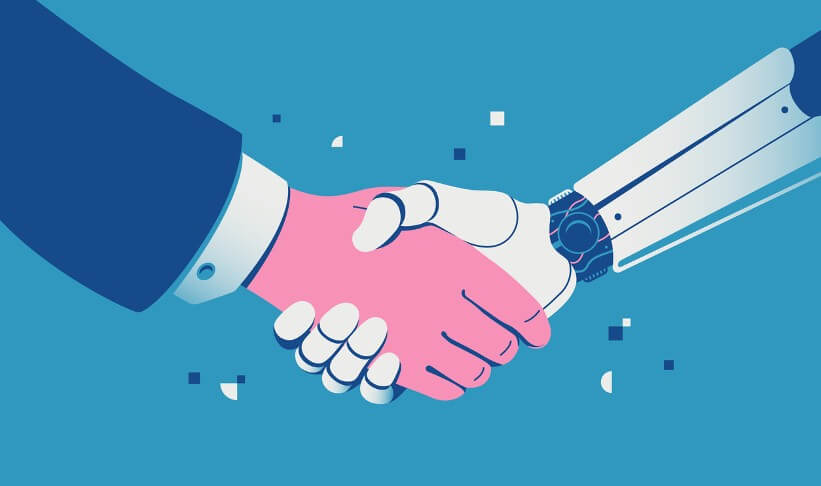
The job market has never been static, but the pace of change in recent years has been unprecedented. Driven by technological innovation, shifting workforce expectations, and global competition, both job seekers and employers are navigating a landscape that looks vastly different from even a decade ago. At the center of this transformation is artificial intelligence (AI), which is redefining how talent is discovered, evaluated, and developed.
One of the most notable developments is the rise of intelligent career platforms such as Career Bridge IQ, which are leveraging AI to bridge the gap between opportunity and talent. These platforms are not just job boards; they are dynamic ecosystems designed to align individual skills with evolving market demands. As organizations increasingly adopt data-driven hiring strategies, AI-powered tools are becoming essential in shaping the future of work.
The Shift from Traditional Hiring to Intelligent Matching
Traditional recruitment methods often relied heavily on manual screening, keyword-based resume filtering, and subjective decision-making. While these approaches served their purpose, they were often inefficient and prone to bias. AI-powered career platforms have introduced a more refined approach by using machine learning algorithms to analyze vast amounts of data and identify patterns that humans might overlook.
Instead of simply matching keywords, modern AI systems evaluate candidates based on skills, experience, behavioral traits, and even potential for growth. This shift allows employers to discover candidates who may not have followed conventional career paths but possess the competencies required for success. For job seekers, it means greater visibility and more personalized opportunities that align with their unique profiles.
By focusing on skills-based matching rather than rigid job descriptions, AI is helping to democratize access to employment. This is particularly important in a globalized workforce where talent can come from diverse educational and professional backgrounds.
Enhancing Candidate Experience Through Personalization
One of the most significant advantages of AI in career platforms is the ability to deliver highly personalized experiences. Job seekers are no longer limited to generic job listings; instead, they receive tailored recommendations based on their preferences, skills, and career goals.
AI-driven platforms analyze user behavior, past applications, and career trajectories to suggest roles that are both relevant and aspirational. This level of personalization not only saves time but also increases the likelihood of successful placements. Candidates can explore opportunities they may not have considered otherwise, expanding their career horizons.
Moreover, AI-powered tools often provide insights into skill gaps and recommend courses or training programs to enhance employability. This proactive approach empowers individuals to take control of their career development, making them more competitive in an ever-changing job market.
From an employer’s perspective, personalization extends to candidate engagement. Automated communication, intelligent scheduling, and real-time feedback create a smoother recruitment process, improving the overall candidate experience and strengthening employer branding.
Reducing Bias and Promoting Fair Hiring Practices
Bias in hiring has long been a challenge, often leading to missed opportunities and lack of diversity within organizations. AI has the potential to address this issue by focusing on objective data rather than subjective impressions.
When designed responsibly, AI algorithms can anonymize candidate information and prioritize skills and qualifications over factors such as gender, ethnicity, or educational background. This helps create a more level playing field and promotes diversity and inclusion in the workplace.
However, it is important to note that AI is not inherently unbiased. The effectiveness of these systems depends on the quality and diversity of the data they are trained on. Leading platforms are increasingly investing in ethical AI practices, ensuring transparency, accountability, and continuous monitoring to minimize unintended bias.
By adopting AI responsibly, organizations can make more equitable hiring decisions while building teams that reflect a broader range of perspectives and experiences.
Empowering Employers with Data-Driven Insights
In addition to improving candidate experiences, AI-powered career platforms provide employers with valuable insights that inform strategic decision-making. Recruitment is no longer just about filling vacancies; it is about building a workforce that aligns with long-term business goals.
AI tools can analyze labor market trends, identify emerging skill demands, and predict hiring needs based on historical data. This allows organizations to plan proactively rather than reactively. Employers can also assess the effectiveness of their recruitment strategies, optimizing processes for better outcomes.
Furthermore, predictive analytics can help identify candidates who are likely to succeed and remain with the organization for the long term. This reduces turnover rates and associated costs, making recruitment more efficient and sustainable.
For small and medium-sized enterprises, these insights are particularly valuable. AI levels the playing field by providing access to sophisticated tools that were once only available to large corporations, enabling businesses of all sizes to compete for top talent.
The Role of Continuous Learning in an AI-Driven Job Market
As AI reshapes the job market, the importance of continuous learning cannot be overstated. The skills required today may not be sufficient tomorrow, and professionals must adapt to remain relevant. AI-powered career platforms are playing a crucial role in facilitating this transition.
By identifying skill gaps and recommending personalized learning paths, these platforms encourage a culture of lifelong learning. Integration with online education providers allows users to access courses and certifications directly, creating a seamless link between learning and employment.
This approach benefits both individuals and organizations. Employees who continuously upgrade their skills are better equipped to handle evolving job requirements, while employers gain access to a more adaptable and capable workforce.
Moreover, AI-driven insights into industry trends help educational institutions align their curricula with market needs, ensuring that graduates are better prepared for the realities of the modern workplace.
Challenges and Ethical Considerations
While the benefits of AI-powered career platforms are substantial, they are not without challenges. Data privacy is a major concern, as these systems rely on large volumes of personal information to function effectively. Ensuring secure data handling and compliance with regulations is critical to maintaining user trust.
Transparency is another important factor. Users need to understand how decisions are made and what criteria are used to match them with opportunities. Clear communication and user-friendly interfaces can help demystify AI processes and foster confidence in the technology.
Additionally, there is a need for ongoing human oversight. AI should complement, not replace, human judgment. Recruiters and hiring managers still play a vital role in evaluating cultural fit, interpersonal skills, and other qualitative factors that machines cannot fully assess.
By addressing these challenges proactively, the industry can harness the full potential of AI while minimizing risks and ensuring ethical practices.
Conclusion
AI-powered career platforms are fundamentally transforming the way people find jobs and organizations discover talent. By combining advanced technology with human-centric design, these platforms are creating more efficient, inclusive, and personalized experiences for all stakeholders.
Stay in touch to get more updates & news on Messonde!